
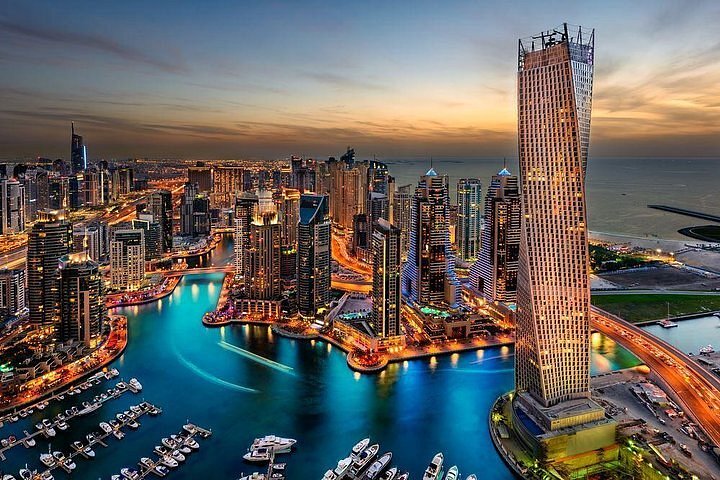
When you see that shiny apartment listing in Dubai Marina or a villa in Arabian Ranches, the price tag is just the beginning. Most buyers get blindsided by extra costs that can add another 7-12% to what they’re actually paying.
Let me break down what you’re really going to spend.
The Big One: Government Fees
The Dubai Land Department charges 4% of your property’s price as a transfer fee. Buy a place for 2 million dirhams? That’s 80,000 dirhams right there.
Here’s the thing: officially, buyers and sellers are supposed to split this 50/50. In reality? Buyers usually pay the whole thing. It’s just how things work here.
Then you’ve got the registration trustee fee. If your property costs more than 500,000 dirhams, you’re paying 4,000 dirhams plus VAT. Less than that? It’s 2,000 dirhams plus VAT.
Don’t forget the smaller stuff that adds up:
- Title deed: 580 dirhams
- Property map: 250 dirhams
- Some admin fees: another few hundred dirhams
You have 60 days to register everything. Miss that deadline and your purchase could be cancelled. No pressure.
Getting a Mortgage? More Costs
Most people need a loan. That means more fees.
The mortgage registration costs 0.25% of your loan amount, plus 290 dirhams. Borrow 1.5 million? That’s around 4,000 dirhams.
Banks will charge you a setup fee – usually 0.5% to 1% of what you’re borrowing, plus VAT. They’ll also want a property valuation done, which runs about 2,500 to 3,500 dirhams.
And here’s something important: since 2025, banks won’t let you roll the transfer fee and agent commission into your mortgage anymore. You need actual cash for those.
Insurance You Can’t Skip
If you’re getting a mortgage, you need life insurance. The bank wants to make sure they get paid even if something happens to you. This usually costs 0.4% to 0.8% per year based on what you still owe.
You also need building insurance – another 0.1% to 0.5% of what it would cost to rebuild your place.
Real Estate Agents Want Their Cut
In the resale market, the agent’s commission is typically 2% plus VAT. On a 2 million dirham apartment, that’s 42,000 dirhams.
Buying from a developer? They pay the commission. Buying from another owner? That’s on you.
The Developer’s NOC Fee
Before you can transfer ownership, you need a No Objection Certificate from the developer. This proves there are no unpaid service charges or problems with the property.
Developers charge anywhere from 500 to 5,000 dirhams for this piece of paper. Usually the seller pays it, but not always.
Buying Off-Plan? Different Rules
Off-plan properties use something called an Oqood certificate instead of a title deed. This costs 4% of the property value – same as the transfer fee, just paid earlier.
Developers might also charge 1,000 to 6,000 dirhams to process this certificate.
When the property is finally ready, get a snagging inspection done. Costs 800 to 2,500 dirhams, but it’s worth it to catch problems the developer needs to fix.
Moving In Costs Money Too
You need to set up utilities. DEWA (electricity and water) wants a 2,000 dirham deposit for apartments, 4,000 for villas. This is refundable, but you still need the cash upfront.
If your building uses district cooling (most new ones do), that’s another 2,000 to 4,000 dirham deposit.
Want to move your furniture in? You’ll need a move-in permit. Some buildings charge 500 to 2,000 dirhams as an elevator deposit in case you damage anything.
New rule for 2026: if you owe any service charges, they won’t let you move in. Period.
The Costs That Never Stop
Service charges are the real budget killer. Every month, you’re paying for building maintenance, security, cleaning, gym, pool – all of it.
In Dubai Marina, expect around 18 dirhams per square foot per year. Have a 1,200 square foot apartment? That’s 21,600 dirhams annually.
The Burj Khalifa? Try 72 dirhams per square foot. Ouch.
Villas are cheaper – usually 2 to 7 dirhams per square foot because there’s less shared space to maintain.
The Municipality Fee Nobody Mentions
If you’re an expat, you pay a housing fee to Dubai Municipality. It’s 5% of your property’s rental value, charged monthly through your DEWA bill.
Even if you live there yourself, they estimate what your place would rent for and charge you based on that. A villa that could rent for 300,000 a year means you’re paying 15,000 in housing fees – 1,250 dirhams every month.
Let’s Add It All Up
Say you’re buying that 2 million dirham apartment in Dubai Marina with a 1.5 million mortgage.
Upfront costs:
- Transfer fee: 80,000
- Registration and admin: 5,200
- Agent commission: 42,000
- NOC and legal: 9,500
- Mortgage fees: 15,000
- DEWA and cooling deposits: 4,000
- Moving costs: 2,000
Total extra costs: 157,700 dirhams
Add your 500,000 down payment, and you need about 657,700 dirhams in cash to actually buy a “2 million dirham” property.
Every year after that:
- Service charges: 21,600
- Municipality fee: 6,000
- Insurance: 9,000
Another 36,600 dirhams annually before you even pay your mortgage.
What You Should Actually Do
Don’t just look at the listing price. Budget at least 8-10% extra for all these costs.
Before you buy, check the service charges for that specific building. They’re public information. A building with cheap service charges saves you thousands every year.
If you’re buying commercial property, the VAT rules are completely different – you’ll pay 5% on top of everything. Get an accountant.
Read your contract carefully. Some developers try to charge extra if the delivered apartment is bigger than planned. Make sure there’s a cap on this.
The Bottom Line
Dubai property can be a solid investment. The city keeps growing, tourism is strong, and there’s no property tax or capital gains tax.
But go in with your eyes open. That “affordable” apartment might cost you an extra 200,000 dirhams when you factor everything in.
Do your homework. Ask questions. Get everything in writing. And for the love of everything, don’t skip the snagging inspection.
The property market here is professional and well-regulated. Just make sure you understand what you’re actually paying for.